 Shared by @gigowat.bsky.social ↗
 9to5google.com19m ago
 Shared by @wired.com ↗
 wired.com21m ago
 Shared by @aifoundersczech.bsky.social ↗
 openai.com21m ago
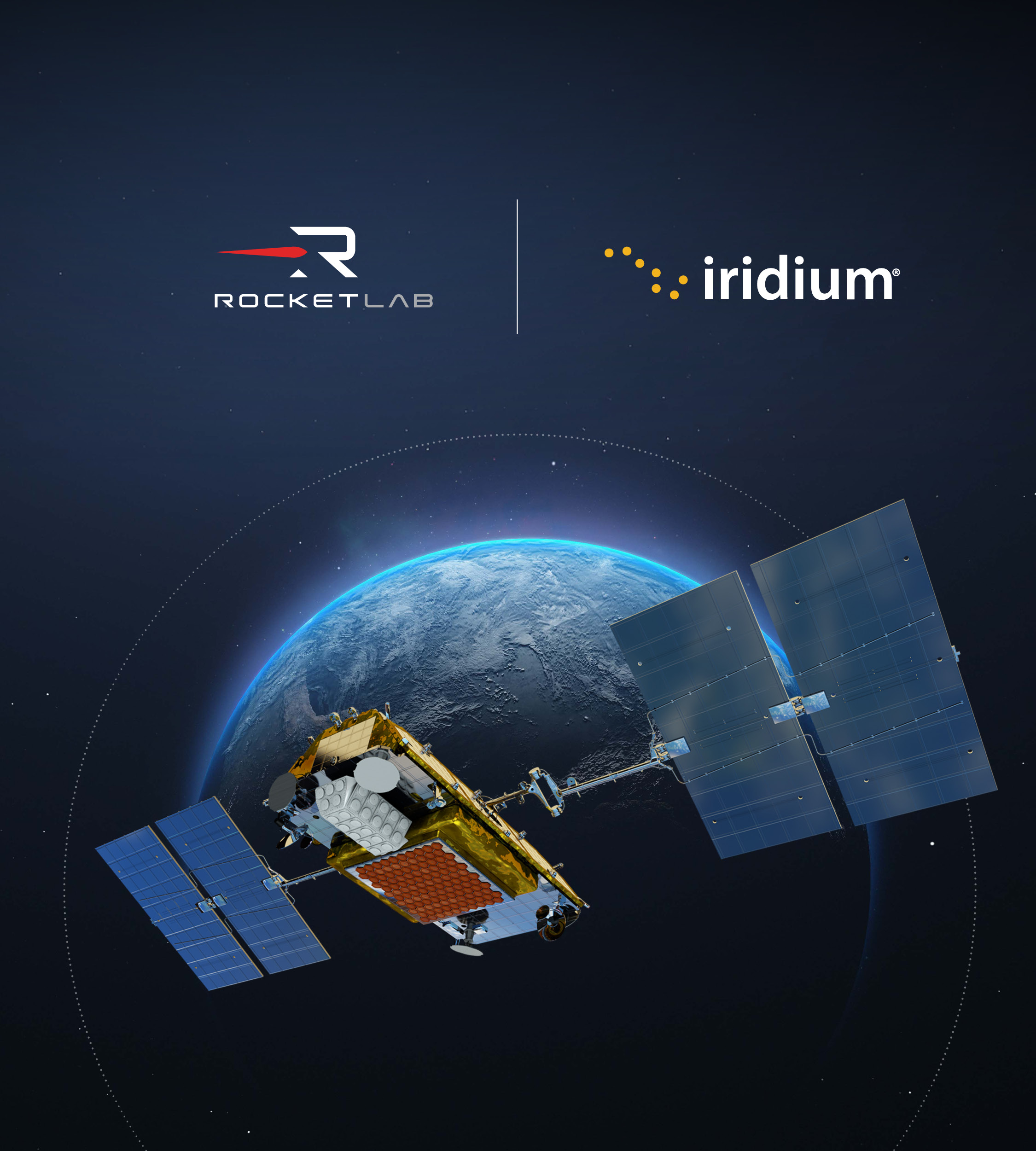
Rocket Lab has agreed to acquire satellite communications operator Iridium in a deal valued at approximately $8 billion, the companies announced. The transaction, which is expected to close in mid-2027 pending shareholder and regulatory approvals, will see Iridium shareholders receive $54 per share through a mix of cash and Rocket Lab stock, according to 1news.co.nz. "The acquisition aims to transform Rocket Lab and position it to compete with SpaceX and its Starlink service." The deal unites Rocket Lab's launch and satellite manufacturing capabilities with Iridium's global low-Earth-orbit satellite network and spectrum, creating what GlobeNewswire described as "a fully vertically integrated space company positioned for growth in critical space applications." That vertical integration gives Rocket Lab control over both building satellites and operating a communications network. Rocket Lab is best known for its Electron launch vehicle, which according to SiliconAngle has deployed over 250 satellites since its first successful flight in 2019. The company has been expanding its footprint in the space industry, and this acquisition of a major satellite operator marks a significant strategic leap. The $8 billion price tag reflects both Iridium's network assets and its operational history. The acquisition is described by GlobeNewswire as "significantly accretive to Rocket Lab's cash flow and profitability," suggesting the deal is intended to strengthen the company's financial position while expanding its competitive reach against larger players like SpaceX. Iridium's existing customer base and proven service infrastructure could provide Rocket Lab with immediate revenue streams and a platform for future growth. "This creates a fully vertically integrated space company positioned for growth in critical space applications." With the purchase, Rocket Lab gains not only a satellite constellation but also the licensed spectrum that enables global communications. That combination of hardware and operational assets gives the company a rare end-to-end space capability, from building rockets to running a network that serves defense, maritime, aviation, and IoT customers worldwide.

A market check by BEUC and six European consumer organizations finds that EU regulation has made smartphones easier to repair, while vacuum cleaners (not covered by the same rules) remain difficult to fix. The study notes that nearly 60% of consumers are willing to pay more for s
 beuc.eu·Tech by Flipboard·22m ago·3 min read
The UK Competition and Markets Authority (CMA) is seeking public views on key issues regarding Near Field Communication (NFC) access on Apple's iOS platform. Apple has been designated as having strategic market status in mobile platforms. The CMA is specifically interested in the
 gov.uk·Tech by Flipboard·25m ago·2 min read

 Variety43m ago
 Variety1h ago
 Shared by @vanitarium.bsky.social ↗
 theguardian.com1h ago
 Shared by @robert111.bsky.social ↗
 thecanary.co1h ago
 Shared by @ianmoody.bsky.social ↗theguardian.com1h ago
 Variety1h ago
 Shared by @cnbc.com ↗
 cnbc.com2h ago
 Shared by @undercode.bsky.social ↗
 undercodetesting.com2h ago
 Shared by @essexlivenews.bsky.social ↗
 essexlive.news2h ago
 Shared by @susioneill.bsky.social ↗
 hbr.org2h ago